
I spent three and a half hours shouting at the top of my lungs at a Yankees playoff game. The next morning, I woke up with almost no voice.
About ten hours later, I was supposed to lead a workshop on public speaking.
I’m embarrassed to admit how I got there. I spend part of my working life helping people use their voices, and I’d just shouted mine away at a baseball game. I spent the day on mute, typing instead of talking, trying to get enough of it back to do my job.
Your voice is an extraordinarily powerful instrument, and it’s easy to take for granted how much you do with it until you can’t. I knew that from coaching speakers. Losing mine made me feel it in ordinary interactions I’d never had to think much about.
What your voice brings into the room
When we coach speakers, we work on vocal power: how to reach the audience, how to land your voice at the right distance in the room. There’s a physical relationship between the person speaking and the people receiving it. You can have the words ready and still struggle to deliver them the way you intend.
I felt that before the workshop even started. There was a social mixer, and I was meeting the people who would be joining us. I wanted to say hello with my usual enthusiasm. Instead, I was trying to conserve whatever voice I had left.
I could feel how much less engaging I was. The range I normally rely on wasn’t available. I was excited to meet these people, but I couldn’t express that excitement in the way I was used to. It was upsetting enough that I started thinking I should just go big and deal with what happened to my voice afterward.
That was how much I missed it. A few casual introductions had become a negotiation between saving my voice and showing up as myself.
It’s something to remember when you’re working with speakers. Their relationship with the audience starts taking shape before the talk. The conversation at the mixer asks something of them too.
What do you do when you lose your voice the day of a talk?
My immediate problem was practical: I had a workshop to give and very little voice to give it with. These were the things I reached for.
- Rest. I stayed on mute during calls and typed my contributions. Even buying lozenges involved typing the request into my phone. I tried not to substitute whispering for talking. Voice rest, hydration and avoiding whispering are also part of the NIDCD’s vocal-care guidance.
- Water. I kept hydrating throughout the day. Honey felt soothing, and I liked the sugar-free elderflower lozenges I was using. Those were things that felt good to me; I couldn’t tell you which accounted for the improvement.
- Dry-mouth relief. I used Biotène moisturizing spray. This is something I also bring when coaching speakers. Some people get a dry mouth onstage, and you can hear that sticky, clicky sound through a headset mic. Having something in the bag for dry mouth is useful. It’s a different problem from recovering a lost voice.
- Resisting the urge to keep checking. Every so often I’d try my voice to see where things stood. For much of the day, it still sounded terrible. Rest is difficult when you’re anxious to find out whether it’s working.
- (Ahem) Don’t clear your throat. Despite the terrible temptation to do so, I resisted clearing my throat and replaced that with a gentle cough. Throat clearing puts terrible strain on the vocal cords and can scratch and damage them even more.
By the evening, I had enough voice back to give the workshop. I was still very aware of having to use it.
What happened while I was quiet
I got to the venue about three hours early. While we were getting ready, I was speaking in a low, quiet voice. The people around me started speaking quietly back.
The whole interaction became calmer. I recognized the effect immediately, and it was funny to find myself producing it by accident. I have never been accused of being too soft-spoken.
There had been another surprise during the workday. With me on mute, everybody else talked. I’d start typing a direct message to contribute something, and before I could send it, somebody would say the thing I was about to say.
It happened often enough for me to notice. I didn’t need to say everything in the room for it to get said.
I’m a New Yorker. Interrupting can feel like a way of demonstrating that I’m listening. Having to wait gave me a chance to hear what happened after the point where I would ordinarily have jumped in.
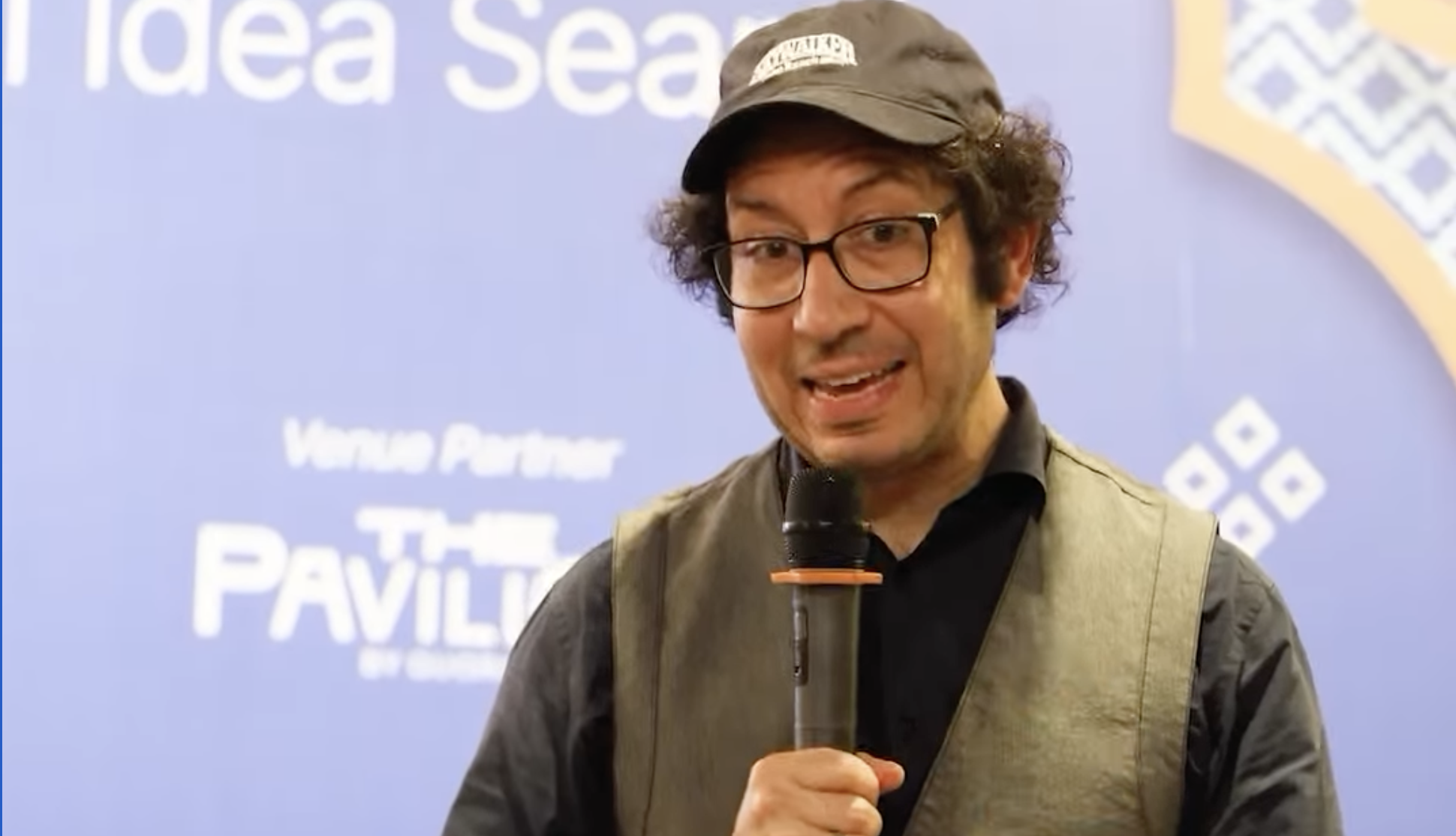
It also brought me back to a lesson from Jess, the nonspeaking presenter I’ve written about from TED’s Idea Search. Her talk about communicating with nonverbal people opened my eyes to the patience a conversation can require. She could be ahead of you in her thinking while still needing time to express it. My temporary hoarseness was a very different experience, but it reminded me of what she’d asked of her listeners: give the other person time.
The value of losing it
I wanted my voice back. I missed its range, the enthusiasm I could put into it, and the ease of being able to contribute when I had something to say.
I also relearned something while it was gone. It’s okay to wait a moment for everybody’s brains to sync up. Often, the thing you’re waiting for will happen without you having to prompt it.
For someone who leads a team, that’s a useful experience. I had spent the day trying to recover an instrument I depend on, and in the process discovered how often I reached for it before I needed to. The next time I’m about to jump in, I’d like to remember the message I never sent because somebody else had already said it.